When the Valley Held
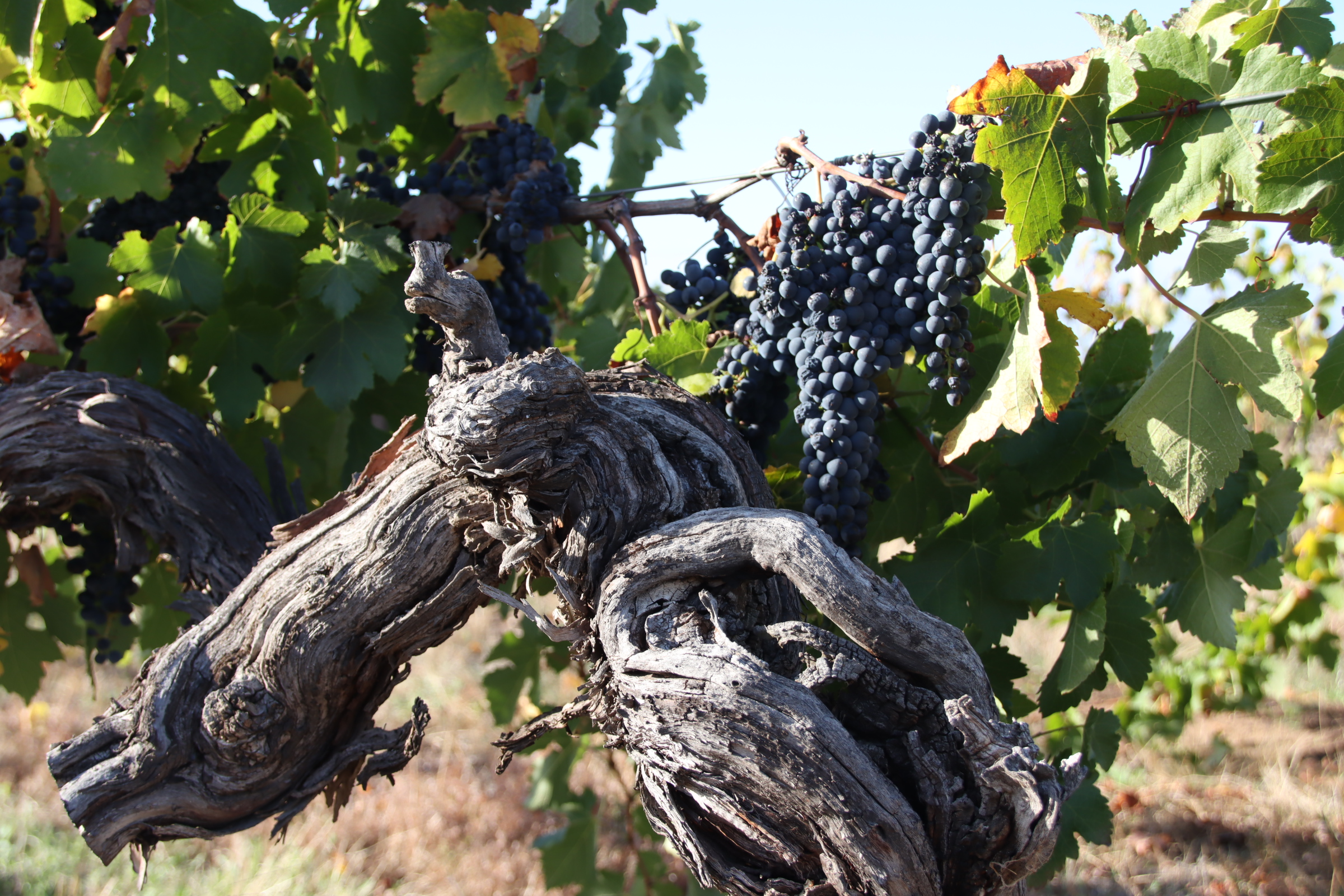
In 1987, as the South Australian Government began paying growers to rip out their vines, Christie Schulz drove in the opposite direction. The vines she was determined to save had been planted in 1847 by a veteran of the Battle of Waterloo. They had survived drought, depression and two world wars. They were not going to survive the Chardonnay craze...not without a fight.
To a multi-tonne excavator, most jobs are equal. Removing a fence post. Clearing land for cropping. Annihilating grapevines planted by a veteran of the Battle of Waterloo, 140 years prior.
The ancient Shiraz grapevines, planted in the 1840s by Lutheran settlers, were about to become collateral damage. Demand for bold reds had collapsed, shifting first to Riesling and then to the Chardonnay craze that would, for better or worse, define the decade.
By the time the South Australian Government began its policy of viticultural iconoclasm, the Vine Pull to give it its correct name, in the late 1980s, the writing was seemingly on the wall. Demand for Shiraz had not simply softened, it had fermented into contempt. In 1985, the industry's own Growers Liaison Officer declared Shiraz 'the Sultana of the Barossa', fit only for dried fruit.
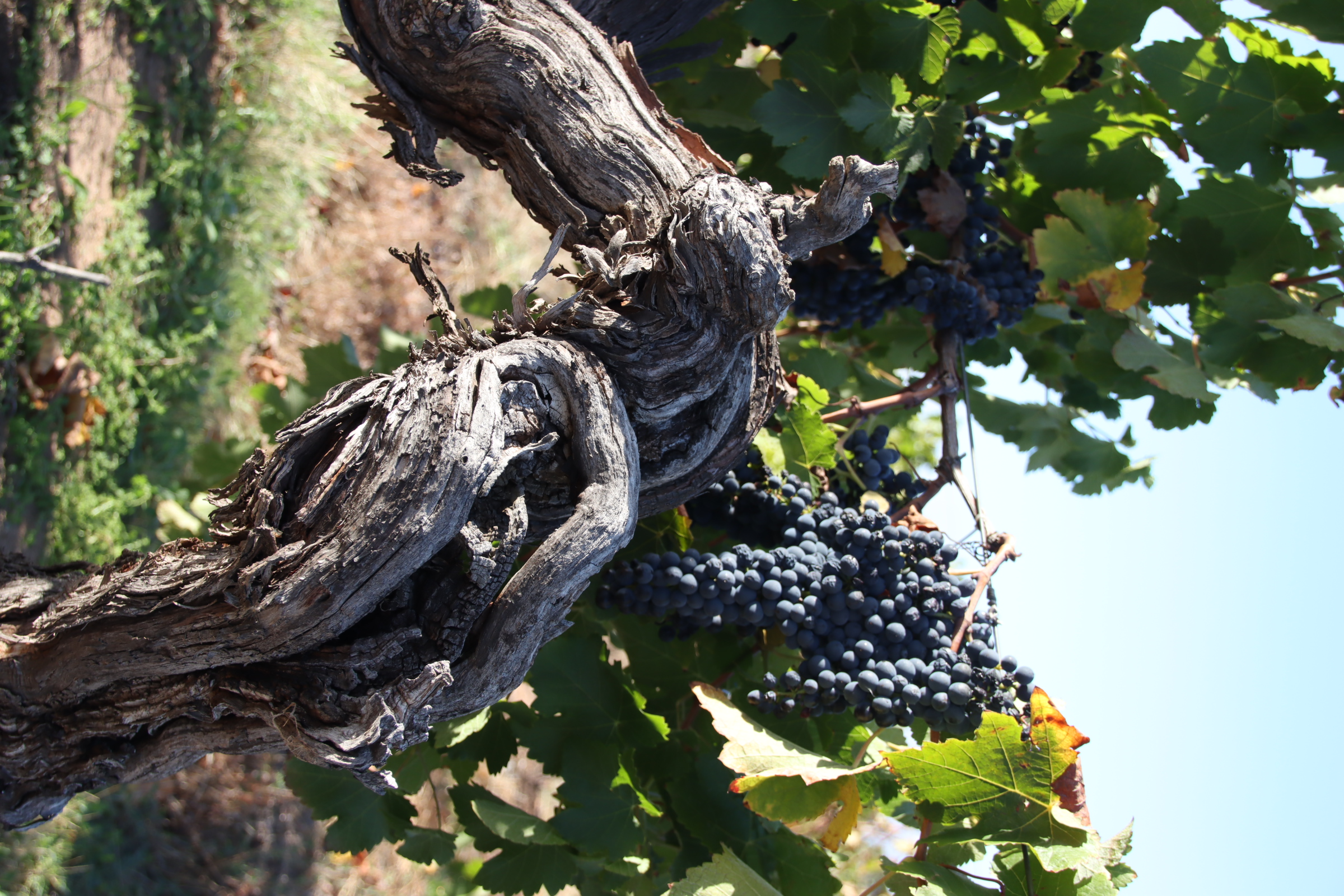
It was into this breach that Christie Schulz and her then-husband Peter stepped, buying Turkey Flat in 1987, the same year the vine pull officially commenced, in an attempt to check the madness.
"Both Peter and I could see the historical significance of these magnificent 1847 Shiraz vines," Christie says. "The thought that they could be bulldozed and turned into a housing estate just felt criminal to us."
Turkey Flat was more than a vineyard in the path of destruction, it was Lot 1, 100 of Moorooroo — the first property surveyed in the Barossa. The vines they were protecting had been planted by August Fiedler, a Prussian Lutheran immigrant and veteran of the Battle of Waterloo, who had arrived in South Australia in 1838 aboard the Prince George with 187 fellow settlers. To pull them would not simply be the end of a vineyard. It would be an act of erasure.
And for Peter, this small act of resisting the vine pull was deeply personal. In his professional capacity, he had been obliged to oversee the destruction of old vines elsewhere in the valley — the very scheme they were now working against. "It was heartbreaking," Christie says, "to see these old vineyards being pulled out."
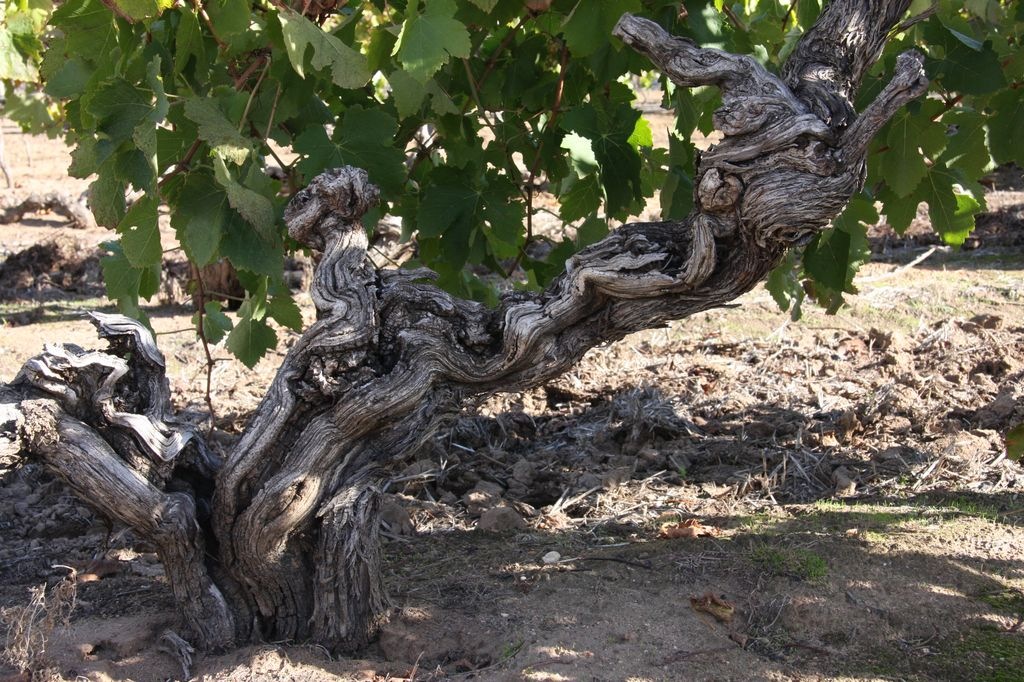
The Schulzes were by no means alone in their resistance. A loose confederation of winemakers had begun to coalesce around preserving the ancient vines in the valley, eventually forming the Barossa Residents Association and lobbying successfully for a moratorium on rural land divisions. But survival was not the same as a future. It was Robert O'Callaghan of Rockford Wines who first persuaded Christie to make wine from the old vines. "At the outset," she says, "the intention was restoring the life back into these ancient vines." The first Turkey Flat Shiraz was released in 1990, drawn from fruit that, a few seasons earlier, had been weeks from the bulldozer.
Their act of resistance would soon be rewarded as demand for Shiraz bounced back in the early 90s with a speed only the market can manage. The bittersweet irony was not lost on those who had fought so desperately to save the plants, the vines that the industry had tried to erase were now the source of its international reputation. What had been treated as a liability — age, rootedness, the sheer stubbornness of old wood — turned out to be the point.
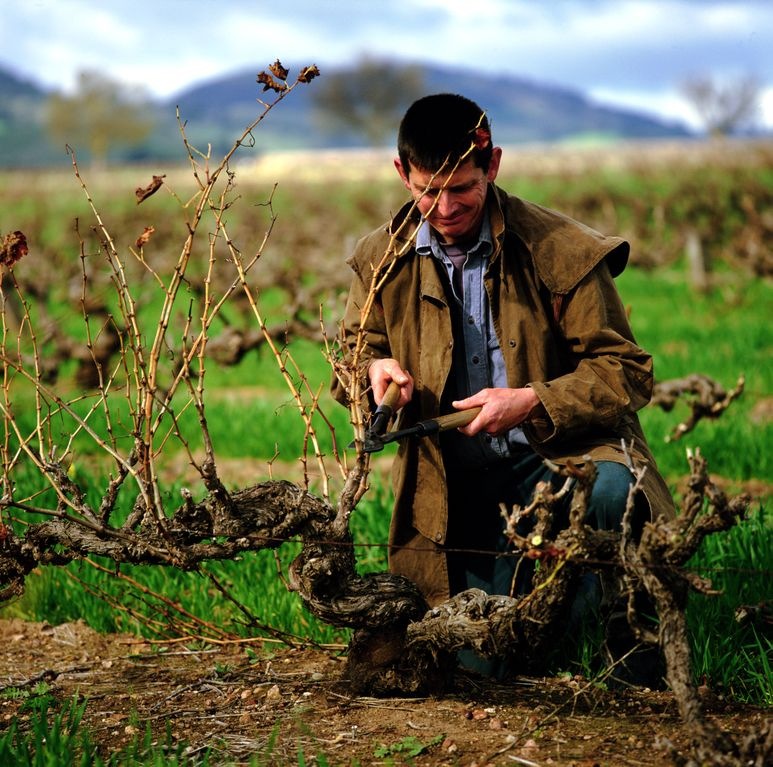
Now, nearly four decades on, Christie sees new headwinds gathering for the industry. Today the factors are different, changing patterns in alcohol consumption, the anti-alcohol lobby growing louder, the China tariffs still biting. She is reluctant to call it cyclical. But she is not without optimism about what comes next.
"As for Shiraz," she says, "it will always hold a special place among wine lovers, though its style will inevitably evolve with the market. The era of overripe, rich, jammy, high-alcohol wines has passed. Today's wine drinkers seek bright, crunchy, fresh expressions with lower alcohol — an exciting shift that I have been championing for many years."
The vines planted by Fiedler in 1847 have outlasted many challenges — drought, blight, wars and recession. They can afford to be patient.